How Much Does Tree Removal Cost in Manhattan, NY? (2026 Complete Price Guide for Homeowners)
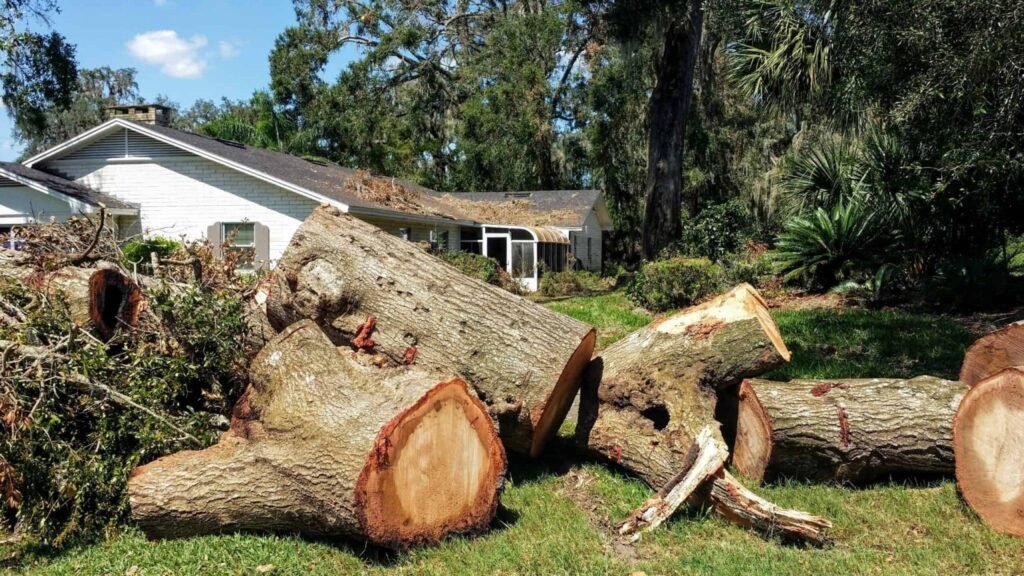
The average tree removal cost in New York City is about $845, but this price can vary from as low as $225 for a small, easy removal to more than $2,200, and in Manhattan, you can expect to be at the high end of things. The answer is very simple: Manhattan has the nation’s highest labor costs and the most compact working conditions, both of which drive up the cost of tree removal. This guide for 2026 takes apart all the factors that affect pricing, what a fair quote for Manhattan should include, and where to watch for hidden fees when calling out a quote. The Short Answer: What Tree Removal Costs in Manhattan Most Manhattan homeowners will face a tree removal cost between $500 and $3,000, and when a crane, permits or emergency response is included the price will climb past $5,000 for genuine large or hard to reach trees. Citywide estimates place the average removal at around $845 with a common range of $225 to $2,252, other sources in the area believe it could actually range from $250 to $10,000 — this is exactly because of the complexity of Manhattan jobs. How your tree will fit into that range is dependent on five factors: size, accessibility, condition, permits and the extras you select. Here’s each one. 1. Tree Size: The Single Biggest Cost Factor Height and trunk diameter drive more of your bill than anything else, because a taller, heavier tree means more crew hours, more rigging, and more debris to haul. Most companies price roughly by size bracket: A general guideline is $10-$15 per foot of height for a basic project, but for difficult situations, it may be $25 per foot of height. Trunk diameter is equally important; a thick hardwood of the same height as a thin hardwood requires a much longer time to section. 2. Access and Location: Why Manhattan Costs More This is the factor that separates a Manhattan quote from a suburban one. Stronger regulations, less equipment space and potential need for traffic control result in higher costs for urban removals. There are very few Manhattan properties where you can remove at a low cost, due to open yard access. However, crews are typically at work: If a crane must be used, expect to pay an additional $500-$2,500 per day to the base removal cost, and be aware that the most challenging crane jobs may cost up to $6000-$7000. In Manhattan, a limitation in the availability of trees is frequently the explanation for a medium priced like a large tree. 3. Tree Condition and Species Most commonly, a dead, diseased or storm damaged tree is more expensive to remove than a healthy tree of the same size. The dead wood is brittle, unpredictable and unsafe to climb on and may result in additional rigging and hazard precautions, which can cost up to 15% of the total cost. There is also a species factor: hardwoods such as oak and maple are heavier than softwoods such as pine, and as such more expensive to cut in a removal routine, which would result in a higher cost for a comparable oak removal vs. pine removal. Another reason why on site Quotes are superior to phone quotes is because common street and garden trees, such as Manhattan’s London planetrees, honeylocust and callery pears, can range greatly in size and difficulty. 4. Permits: Street Tree vs. Private Tree It is the area that most Manhattan homeowners may fall into, and it affects both the personnel and money. Trees are usually not in need of a permit for removal from the NYC Department of Parks and Recreation (DPR), if the tree has all its roots on your own property. However, street trees (those in the sidewalk strip between the curb and the property line) belong to the City and no one is permitted to prune or remove them without having a written DPR Forestry permit, even if they are right in front of your house, and the roots are raising your stoop. Cutting or damaging a City tree without a permit is a violation of the NYC Administrative Code – and the fines are not hypothetical. A licensed private contractor (not you) applies for the permit for street trees, and permits for non-urgent work for street trees will generally be approved within 2-6 weeks. In addition, if the job involves a dumpster or wood chipper being parked on the street, a NYC Department of Transportation container permit is normally about $30-$150, and is not your responsibility. A good Manhattan crew will know what permits are relevant and incorporate that process in their job. 5. Add-Ons: Stump Grinding, Debris Hauling, and Cleanup Base removal usually covers taking the tree down not everything after. Common add-ons include: Always ask for a line-item estimate rather than a single flat number, so you can see whether stump work, hauling, and cleanup are included or billed on top. 6. Emergency and After-Hours Removal Urgent service, when a tree has fallen during a storm or is in a critical condition to be removed by the tree removal service, costs a lot. Emergency removals generally cost 25% to 100% more than a scheduled removal job, and the increased cost of complex, urgent situations can reach $5,000 due to after hours labor, hazard assessment and high demand following a storm. Where a downed tree has damaged a covered structure, it may be covered by your homeowners insurance, but note that standard policies only have a cap of a few hundred dollars up to about $1,000 for removal of tree debris, so check your policy before assuming that the removal will be paid for. Sample Manhattan Price Scenarios To make the ranges concrete: How to Avoid Overpaying Get at least three written, itemized quotes, and make sure each one covers the same scope a low number that excludes stump grinding, hauling, or permits often ends up costing more. Make sure the company is insured and if the
Why Professional Tree Removal Is Essential for Aging Trees
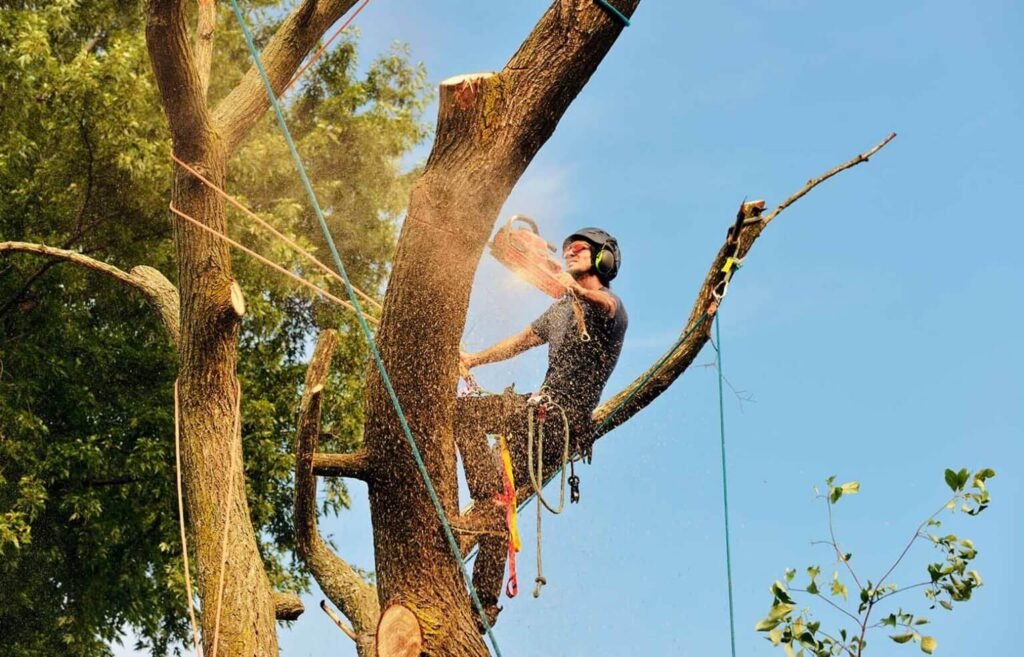
As trees grow older, they become more vulnerable to disease, decay, and structural weakness. While many mature trees can thrive with proper maintenance, some eventually become unsafe and require removal. Professional tree removal helps eliminate hazardous trees before they cause damage, ensuring your property remains safe, attractive, and functional. Aging Trees Can Become Unstable Over time, a tree’s trunk, branches, and root system naturally weaken. Internal decay may develop even when the tree still has leaves, making it difficult for homeowners to recognize potential dangers. Routine inspections help identify aging trees that have become safety risks. Reduce the Risk of Falling Branches Older trees often develop large dead limbs that can break without warning. These branches may fall onto: Removing hazardous trees before branches fail helps prevent injuries and costly repairs. Prevent Storm Damage Aging trees are less resistant to high winds, heavy rain, and snow. Weak trunks and decaying roots increase the chance of complete tree failure during severe weather. Professional tree removal before storm season reduces emergency situations and protects nearby structures. Stop the Spread of Disease Old trees weakened by disease or fungal decay can spread infections to nearby healthy trees. If treatment is no longer effective, removing the affected tree helps preserve the health of your landscape. Early removal also discourages insect infestations that often accompany decaying wood. Improve Property Appearance Dead or declining trees can make an otherwise beautiful landscape appear neglected. Removing an aging tree creates opportunities to improve your yard with: A healthier landscape enhances curb appeal and property value. Create More Usable Space Large trees sometimes outgrow their surroundings, limiting sunlight and reducing the functionality of outdoor areas. Removing an unhealthy tree opens space for future landscaping projects while improving natural light throughout your property. Why Hire Tree Removal Professionals? Removing large, aging trees requires specialized equipment and extensive experience. Professionals carefully evaluate the safest removal method based on the tree’s size, condition, and proximity to buildings or utility lines. They also provide complete debris removal and optional stump grinding to leave your property clean and ready for future improvements. Benefits of Professional Tree Removal Conclusion Although mature trees add beauty and value to any landscape, aging trees can eventually become serious safety hazards. Professional tree removal eliminates unstable trees before they fail, protecting your home, family, and investment. Regular inspections and timely removal ensure your landscape remains healthy, safe, and visually appealing for years to come.
How Emergency Tree Removal Protects Your Property After Severe Storms
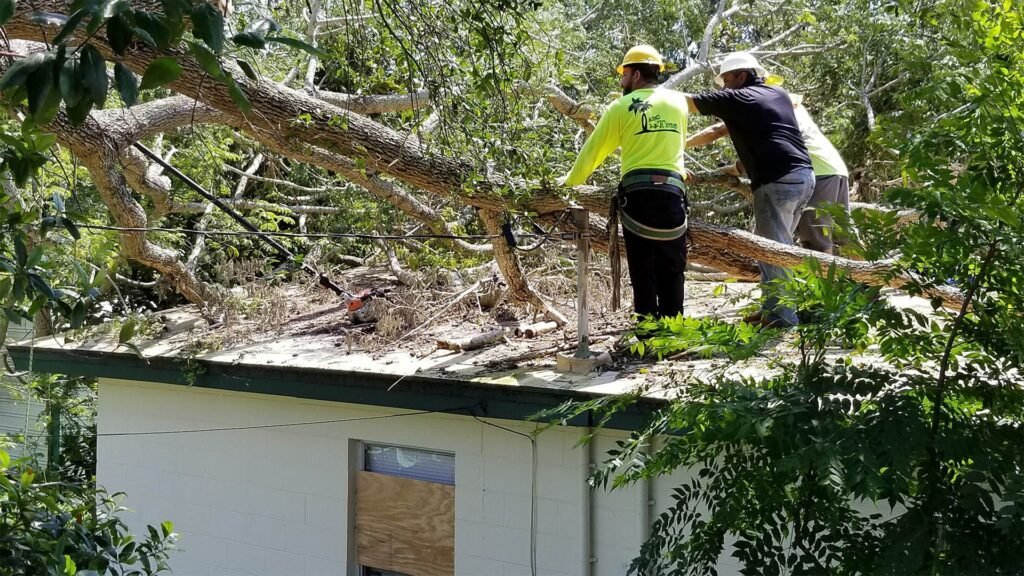
Storms can leave behind broken branches, leaning trees, and hidden structural damage that creates immediate safety risks. While some damage is obvious, other problems may not appear until days later. Emergency tree removal helps eliminate dangerous trees before they cause injuries or extensive property damage, restoring safety to your home and landscape. Manhattan Tree Removal offers emergency tree removal, trimming, pruning, stump grinding, and related tree care services throughout Manhattan. Why Storm-Damaged Trees Are Dangerous High winds, heavy rain, snow, and lightning can weaken even healthy trees. A damaged tree may remain standing temporarily but still collapse unexpectedly due to internal cracks or root failure. Professional inspections help determine whether the tree can be saved or should be removed immediately. Signs You Need Emergency Tree Removal Contact a tree professional if you notice: Ignoring these warning signs can increase the risk of further damage. Protect Your Home and Vehicles Storm-damaged trees often threaten nearby structures. Heavy limbs or unstable trunks can fall onto: Prompt removal helps prevent expensive repairs and keeps your property safe. Prevent Additional Tree Failure A damaged tree may continue deteriorating long after the storm has passed. Broken branches create openings for insects and disease, while weakened roots reduce stability. Removing severely damaged trees early prevents future emergencies and protects nearby healthy trees. Restore Safe Access Fallen trees can block driveways, sidewalks, entrances, and roadways, making it difficult to move around your property. Emergency tree removal quickly clears debris and restores safe access for homeowners and emergency vehicles when necessary. Why Professional Removal Matters Storm-damaged trees are unpredictable and extremely dangerous to remove without proper equipment. Professional crews use specialized tools and controlled removal techniques to safely dismantle damaged trees while protecting surrounding buildings and landscaping. They also remove debris and can provide stump grinding if needed to fully restore the property. Benefits of Emergency Tree Removal Conclusion Storm damage should never be ignored. Even if a tree remains standing, hidden structural problems can lead to unexpected failure. Professional emergency tree removal helps protect your family, property, and landscape by removing hazardous trees safely and efficiently. Acting quickly after severe weather can prevent costly repairs and provide peace of mind throughout the year.
Why Tree Risk Assessments Are Essential for Protecting Your Property
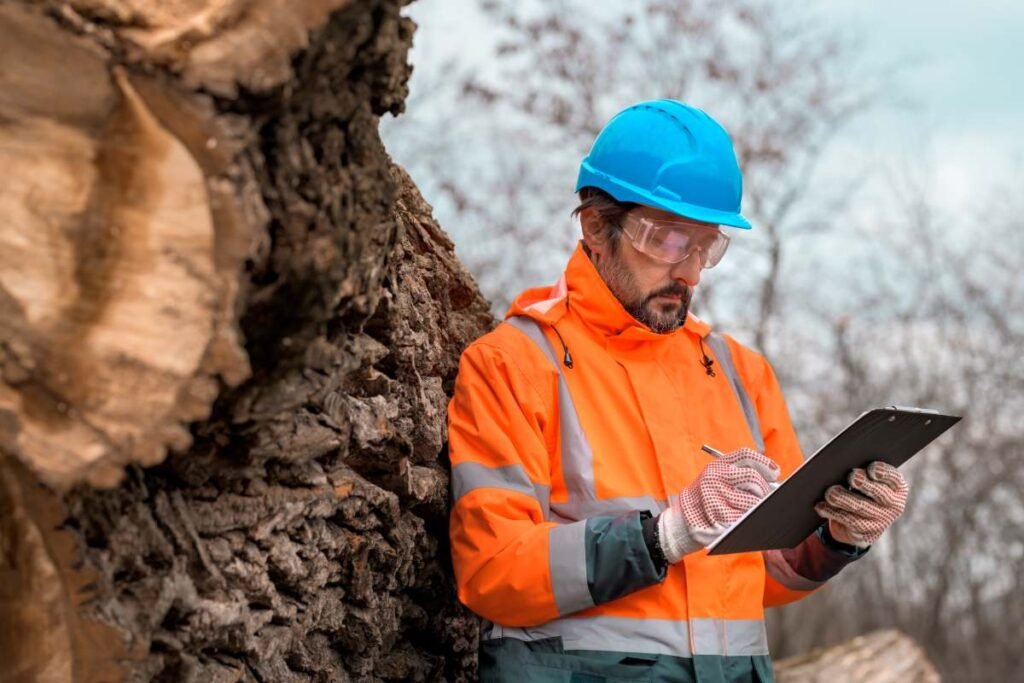
Trees can significantly enhance the beauty and value of your property, but they can also become serious hazards if their condition is overlooked. A professional tree risk assessment helps identify structural weaknesses, disease, and other issues before they lead to costly property damage or personal injury. Regular evaluations are an important part of responsible tree care and long-term landscape management. What Is a Tree Risk Assessment? A tree risk assessment is a thorough inspection performed by experienced tree care professionals to determine the health, stability, and safety of a tree. During the evaluation, specialists examine the trunk, branches, canopy, and root system to identify potential hazards and recommend the most appropriate solution. Depending on the findings, they may recommend pruning, cabling, treatment, or tree removal. Identify Hidden Structural Problems Some of the most serious tree issues are impossible to detect without a professional inspection. Internal decay, weakened branch attachments, and root damage may remain hidden until the tree begins to fail. Early detection helps prevent unexpected emergencies and costly repairs. Improve Safety Around Your Property Trees located near homes, sidewalks, driveways, or commercial buildings should be inspected regularly. A weakened branch or unstable tree can fall unexpectedly, creating risks for people, vehicles, and nearby structures. Routine risk assessments help eliminate these dangers before accidents occur. Protect Your Investment Large trees represent a significant investment in your property’s landscape. Regular evaluations help identify minor health problems before they become severe, allowing homeowners to preserve healthy trees through proper maintenance. Preventive care is far more affordable than replacing mature trees or repairing property damage. Prepare for Severe Weather Strong winds, heavy rain, snow, and ice place tremendous stress on trees. A professional assessment before storm season can identify branches or trees that are unlikely to withstand severe weather. Removing hazards in advance helps reduce emergency situations and protects surrounding property. Common Warning Signs Property owners should schedule an inspection if they notice: These symptoms may indicate structural instability that requires immediate attention. Benefits of Regular Tree Assessments Routine evaluations provide several long-term advantages: Consistent inspections help keep your landscape healthy and well-maintained. Why Hire Professional Tree Experts? Tree risk assessments require specialized knowledge of tree biology, structural integrity, and industry safety standards. Professional tree care specialists can accurately evaluate tree conditions and recommend the safest, most cost-effective solution based on each tree’s health and location. Conclusion A professional tree risk assessment is one of the best ways to protect your home, family, and landscape. By identifying hidden problems before they become emergencies, regular inspections help prevent property damage, improve tree health, and ensure your outdoor spaces remain safe and attractive throughout the year.
How Professional Tree Removal Creates a Safer and More Functional Landscape
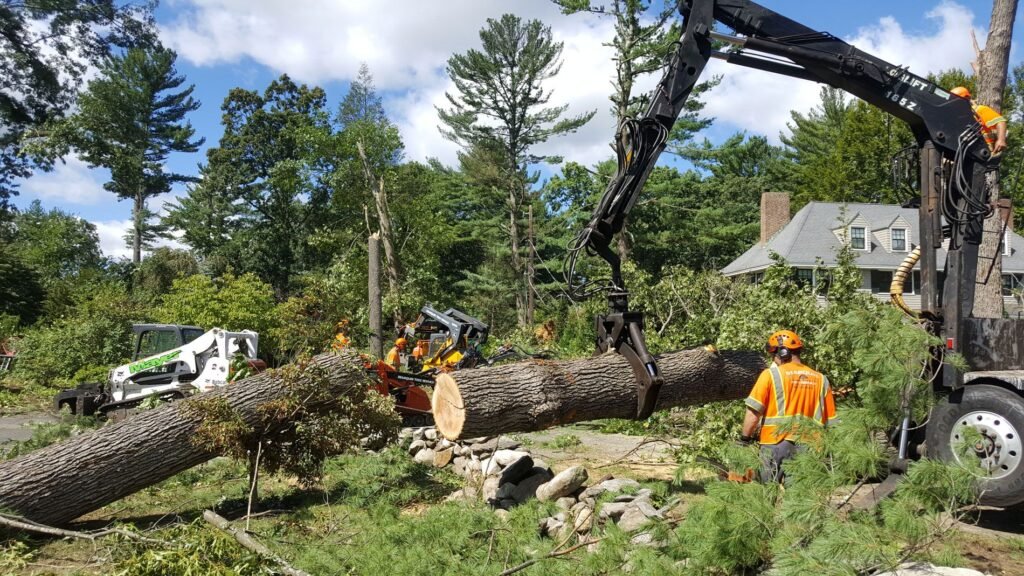
Trees are a valuable part of any property, but there are times when removal is the best solution. Dead, diseased, or poorly located trees can create safety hazards, limit outdoor space, and affect the health of surrounding vegetation. Professional tree removal helps restore balance to your landscape while protecting your home and improving the overall functionality of your property. Eliminate Dangerous Trees Trees with severe decay, storm damage, or structural defects can fail without warning. Removing hazardous trees reduces the risk of falling branches or complete tree collapse that could damage homes, vehicles, or nearby structures. Early removal is often far less expensive than repairing storm-related damage. Create More Usable Outdoor Space Large trees can occupy valuable areas of your yard and limit future landscaping opportunities. Removing an unwanted tree creates room for: More open space allows homeowners to make better use of their property. Improve Sunlight Throughout the Yard Dense tree canopies often block sunlight from reaching lawns, flower beds, and outdoor living spaces. Limited sunlight can affect plant growth and make your yard feel dark. Tree removal allows more natural light to reach your landscape, creating healthier grass and brighter outdoor areas. Protect Nearby Structures Trees growing too close to buildings can eventually damage roofs, gutters, foundations, fences, and utility lines. Strong winds can also cause branches to strike nearby structures. Professional tree removal prevents these issues before costly repairs become necessary. Improve the Health of Surrounding Trees When one large tree dominates the landscape, nearby trees and plants often compete for sunlight, water, and nutrients. Removing unhealthy or overcrowded trees allows surrounding vegetation to thrive. A balanced landscape supports healthier long-term growth. Reduce Ongoing Maintenance Large trees continuously drop leaves, twigs, and seeds that require frequent cleanup. Removing unnecessary trees reduces seasonal yard work and makes mowing, landscaping, and gutter maintenance much easier. This can save homeowners both time and money throughout the year. Why Professional Tree Removal Is the Right Choice Tree removal is a complex job that requires careful planning and specialized equipment. Professional crews evaluate the safest removal method based on the tree’s condition and location, ensuring nearby structures and landscaping remain protected throughout the process. They also provide complete debris removal and stump grinding when needed. Benefits of Professional Tree Removal Conclusion Professional tree removal is more than simply cutting down a tree—it’s an investment in the safety, appearance, and functionality of your property. By removing hazardous or unwanted trees, homeowners can protect nearby structures, improve landscape health, and create a more enjoyable outdoor environment for years to come.
The Importance of Removing Dead Trees Before Hurricane and Storm Season
Dead trees may remain standing for months or even years, but that doesn’t mean they are safe. As wood decays and the root system weakens, the likelihood of tree failure increases dramatically. During hurricane season or severe storms, dead trees are among the first to fall, putting homes, vehicles, and people at risk. Removing dead trees before extreme weather arrives is one of the best ways to protect your property. Dead Trees Are Structurally Weak Unlike healthy trees, dead trees no longer produce new growth or repair damaged tissue. Over time, the trunk and branches become brittle, making them unable to withstand strong winds or heavy rain. Even moderate storms can cause large sections of a dead tree to collapse. Protect Your Home from Storm Damage A falling tree can cause thousands of dollars in repairs by damaging: Removing a hazardous tree before storm season greatly reduces the chance of costly property damage. Reduce Safety Risks Dead trees can fail without warning, even on calm days. Large branches may break unexpectedly, creating hazards for family members, visitors, and neighbors. Professional removal eliminates these dangers and creates a safer outdoor environment. Prevent Pest Infestations Decaying trees attract termites, carpenter ants, beetles, and other wood-boring insects. If left untreated, these pests can spread to nearby healthy trees or even wooden structures around your home. Early tree removal helps prevent infestations before they become a larger problem. Stop the Spread of Disease If a tree died because of disease or fungal infection, leaving it in place may threaten nearby healthy trees. Removing infected trees helps protect the rest of your landscape and promotes healthier growth throughout your yard. Improve the Appearance of Your Property Dead trees often make a landscape appear neglected. Removing them creates a cleaner, more attractive property while opening space for: A well-maintained landscape also increases curb appeal. Why Professional Tree Removal Is Essential Dead trees are unpredictable because weakened branches and trunks can break during the removal process. Professional tree removal crews use specialized equipment and proven safety techniques to dismantle hazardous trees without damaging nearby structures. They also provide debris removal and stump grinding for a complete cleanup. Benefits of Removing Dead Trees Early Conclusion Waiting to remove a dead tree can lead to expensive repairs and unnecessary safety risks. By scheduling professional tree removal before hurricane or storm season, homeowners can protect their property, improve the health of their landscape, and enjoy greater peace of mind. Preventive tree care is always safer and more affordable than dealing with the aftermath of a fallen tree.
Certified Arborist Services NYC | Tree Cutting, Care & Maintenance

In today’s modern cities, where skyscraper buildings, traffic and an advanced and modern lifestyle have completely changed cities, the importance of trees has increased even more. In a large city like New York City, greenery is not just a luxury but an important part and element that helps maintain environmental balance. Trees purify and clean the air, reduce pollution and help control the city’s temperature. Still, despite all these benefits, keeping trees healthy and safe is a challenging task and plan. That is why the demand for certified arborist services has increased greatly. A skilled company like Manhattan Tree Removal provides expert tree cutting, care and maintenance services in NYC, providing reliable solutions and options for all kinds of properties. The Concept and Importance of Certified Arborists: Certified arborists are experts who, with proper training and certification, deeply understand the science of trees. They do not depend only on useful experience; they also possess scientific knowledge that helps them correctly assess the condition of every tree. In a city like NYC, where environmental conditions change greatly from place to place, only a certified arborist can make the best and most perfect decisions. The arborists at Manhattan Tree Removal are trained and experts according to modern and advanced standards and manage every project with a skilled method. Their focus is not just on cutting trees but on preserving them, improving their health and guaranteeing safety. This skill is what sets them apart from common workers. The Need for Tree Cutting and Safe Performance: Tree cutting is a sensitive method that should only be performed when required. Sometimes trees grow too much and become a risk to buildings, power lines or roads. Equally, dead or diseased trees pose safety threats and must be removed. Manhattan Tree Removal fulfills tree cutting with great and perfect care. They first manage a detailed survey and then create a safe plan that considers the nearby environment. In a busy city like NYC, where people and traffic are everywhere, safe performance is very important. A skilled and expert method greatly reduces the chances of accidents and property damage. A Complete Method to Tree Care: Tree care is not a single service but a complete method that involves many steps. This includes watering, fertilizing, soil care, pest or insect control and regular surveys. If these aspects and features are ignored, trees can become weak and their growth can be affected. Manhattan Tree Removal provides complete tree care services designed according to the special needs of every tree. They survey soil conditions, sunlight risk and environmental elements to create customized and personalized care plans. This guarantees that trees remain healthy and have a longer lifespan. The Importance of Tree Maintenance and Regular Survey: Tree maintenance is a continuous method that is important for long-term results. Regular surveys help identify problems at an early stage, such as diseases, pest infections or structural weaknesses. If these issues are not addressed on time, they can turn into serious and major problems. Manhattan Tree Removal provides maintenance plans for its customers that include regular surveys and required treatments. In a city like NYC, where environmental stress is higher, this proactive method helps keep trees healthy, strong and safe. Challenges of Trees in City Environments: Maintaining trees in a city environment is a difficult task. Limited space, pollution, construction activities and climate change all affect tree health. In NYC, many trees are planted in areas where they do not receive proper nutrients or their roots are commonly disturbed. Manhattan Tree Removal understands these challenges and provides modern solutions. They use soil fizz, root care and proper watering systems to create a supportive and helpful environment for trees. This helps trees stay strong and stable even in city conditions. Tree Trimming and Structural Balance: Trimming is an important part of tree care that helps maintain both the health and structure of trees. Proper trimming removes weak and dead branches and supports balanced growth. This method strengthens trees and improves their overall condition and appearance. Experts at Manhattan Tree Removal use scientific trimming methods such as top thinning and shaping. This guarantees that trees look natural, charming and attractive while also improving their durability and stability. In a city like NYC, where beauty matters, trimming plays a very important role. The Role of Emergency Tree Services: Sometimes, unexpected and emergency situations such as storms, heavy winds or accidents can damage trees. In such cases, a quick response is required to stop more damage and injuries. Manhattan Tree Removal provides emergency tree services where their team responds quickly and manages the situation successfully. They safely remove or stabilize damaged trees to secure and save the area. In a busy environment like NYC, these services are very critical and important. Eco-Friendly Usages and Sustainability: In today’s time, environmental awareness is increasing and people prefer eco-friendly solutions and options. Tree services are also adopting sustainable usages. Manhattan Tree Removal uses eco-friendly methods such as organic fertilizers, minimal chemical treatments and proper waste recycling. This method protects the environment and helps trees grow naturally. Customized Solutions for Residential and Commercial Clients: In NYC, both residential and commercial properties require tree services. Every property has unique needs that demand customized solutions. Manhattan Tree Removal provides fitted services for both sectors. For residential clients, they focus on safety and beauty while for commercial clients, they guarantee stable maintenance and a professional appearance. This way, every client receives services according to their specific needs. Advanced Tools and Safety Standards: Tree Cuttingwork can be risky and require advanced tools and strict safety measures. Unskilled work increases the risk of accidents and damage. Manhattan Tree Removal uses modern tool and follows industry safety standards. Their trained team manages every project professionally and skillfully, guaranteeing that the work is completed successfully and safely. Conclusion: Certified arborist services have become a basic requirement in today’s city environment, especially in a large city like New York City. Tree cutting, care and maintenance are important not only for
Complete Tree Care New York City | Trimming, Pruning & Treatment Pros
In today’s modern and advanced times, where cities are developing quickly and skyscraper buildings, roads and infrastructure are visible and clear everywhere, the importance of trees cannot be ignored. In a large city like New York City, trees are not just part of natural beauty but an important system that helps maintain environmental balance. Trees clean the air, absorb carbon dioxide and control the overall temperature of the city. Still, despite all these benefits, keeping trees healthy and safe is a challenging responsibility. That is why the demand for complete tree care services has increased greatly. Manhattan Tree Removal provides skilled trimming, cutting and treatment services in NYC, providing reliable and long-lasting solutions and options for all kinds of housing and commercial properties. The Concept of Complete Tree Care: Complete tree care does not simply mean cutting or trimming trees; rather, it is a full method that involves managing the overall health, structure and growth of trees. This method includes survey, soil surveys, cutting, trimming, fertilization and disease treatment. In a city like New York City, where environmental conditions change from area to area, complete tree care becomes very important. Manhattan Tree Removal personally assesses the condition of every tree and creates a customized and personalized care plan accordingly. Every tree has its own biological and organic structure and different requirements. Therefore, only a skilled method guarantees that trees remain healthy, safe and long-lasting. The Role and Importance of Tree Trimming: Tree trimming is an important maintenance method that improves both the shape and safety of trees. When branches grow uncontrollably and unmanageably, they not only look unattractive and ugly but also create risks for buildings, roads and power lines. In a busy city like New York City, this issue becomes even more serious. Manhattan Tree Removal performs trimming services very carefully and skillfully. Their focus is not only on removing useless branches but also on maintaining the natural structure of the tree. Proper trimming improves sunlight risk and air flow, which are important for tree growth. This helps trees stay strong and increases their lifespan. Tree Cutting and Health Maintenance: Cutting is a specialized method that directly affects the health of trees. In this method, weak, dead and diseased branches are carefully and successfully removed so that the tree’s energy is directed toward healthy parts. When cutting is done correctly, the tree maintains balanced and stable growth and remains protected from diseases. The experts at Manhattan Tree Removal use advanced cutting methods such as top thinning, top cutback and selective cutting. In an environment like New York City, where pollution and weather changes affect trees, regular cutting helps keep them strong, durable and stable. Tree Treatment and Disease Control: Trees can also suffer from diseases such as fungal infections, insect attacks and root collapse. If these problems are not treated on time, the tree can become completely damaged and may also affect nearby trees. Manhattan Tree Removal uses advanced and modern diagnostic tools to examine both the inner and external conditions of trees. After that, they apply proper treatment plans such as pest control, antifungal application and soil improvement. This not only helps trees recover but also protects them from more future diseases. Challenges of Trees in City Environments: Maintaining trees in city life is not a simple task and plan. Limited space, underground utilities, pollution and construction activities all affect tree growth. In New York City, many trees are located in areas where they do not receive proper nutrients or space. Manhattan Tree Removal understands these challenges and provides modern solutions. They use root protection systems, soil improvement methods and proper watering methods to guarantee trees remain healthy under city pressure. This helps trees maintain and keep balance with the environment. The Concept of Seasonal Tree Care: Every season has a different effect on trees. In winter, trees become inactive, in spring growth starts, in summer they develop fully and in fall leaves shed. Trees require different types of care in every season. Manhattan Tree Removal provides seasonal care programs that include trimming, fertilization and surveys according to the season. This method keeps trees balanced and healthy throughout the year and helps them manage environmental changes more successfully and skillfully. The Role of Emergency Tree Services: Sometimes unexpected situations such as storms, heavy winds or accidents cause trees to fall or branches to break. In such situations, quick response is very important to guarantee the safety of property and people. Manhattan Tree Removal provides emergency tree services where their trained and expert team responds quickly and controls the situation. They safely remove or stabilize damaged trees, preventing more damage. In a busy city like New York City, these services are very critical and important. Residential and Commercial Tree Care Solutions: Every property has different tree care needs. Residential areas focus more on safety and beauty, while commercial areas require professional appearance and stable maintenance. Manhattan Tree Removal provides customized and personalized solutions for both types of clients. They examine every property and design care plans accordingly to guarantee the best performance and safety. Professional Tool and Safety Standards: Tree care work is highly risky, which is why professional equipment and strict safety protocols are important. Working without proper tools increases the risk of accidents and property damage. Manhattan Tree Removal uses modern tools and follows industry safety standards. Their fully trained team carefully and skillfully fulfills every task, guaranteeing safe, effective and skilled finish of work. Eco-Friendly Tree Care Approach: In today’s world, environmental protection has become very important. People now prefer eco-friendly solutions that do not harm the environment. Tree care services also follow this style. Manhattan Tree Removal uses sustainable practices such as organic fertilizers, minimizing chemical usage and recycling waste. This method keeps the environment safe and allows trees to grow naturally. Long-Term Tree Maintenance Plans: Tree care is not a short-term service but a long-term responsibility. Regular maintenance helps trees stay healthy and avoids future problems. Manhattan Tree Removal provides long-term maintenance plans
Stump Grinding vs. Full Stump Removal: Which Do You Need
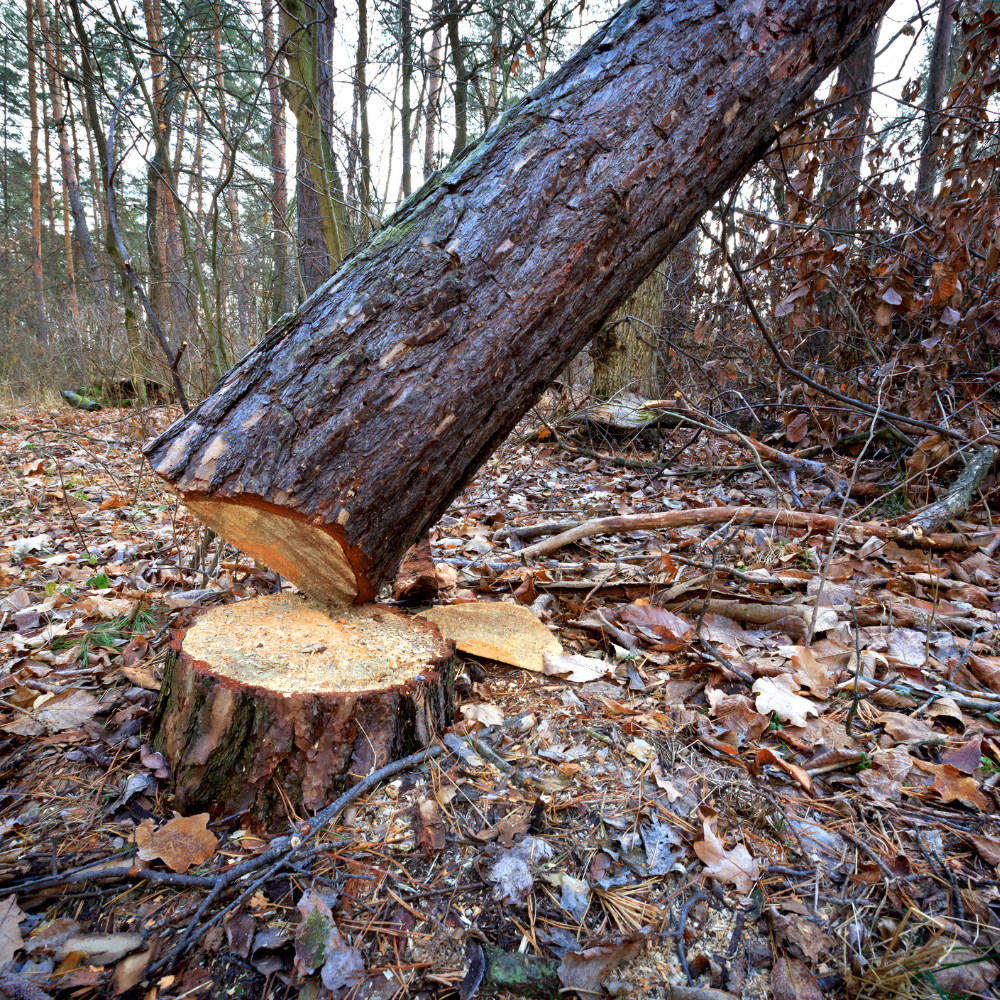
After cutting a tree, work is still far from done. Most folks figure once the logs and limbs are gone, things wrap up, then they spot what is left behind: the stump. That chunk sticks out in your lawn like it refuses to leave. More than just ugly, it could make someone trip or draw bugs you would rather keep outside. For handling this tough root base, people usually pick between two options: one chops it down below ground, another yanks the whole thing out. One option works well in some cases, whereas the other fits different needs, and picking the right one comes down to how much you can spend and what you want later on. Knowing exactly how they differ lets you choose wisely so your outdoor space stays nice without spending extra cash. Understanding the Process of Stump Grinding Stump grinding is a top pick for homeowners since it works fast while disturbing the yard way less than full removal. A skilled crew rolls up with a powerful piece of gear known as a stump grinder. Inside, there is a tough spinning disc studded with hard carbide tips, which tear through wood like jaws. As the worker guides it, the head juts forward and back, breaking down trunk chunks into fine shreds. Usually, they grind roughly half a foot under ground level, just deep enough so you can dump soil on it, then plant turf without issues. The big plus with grinding? It is quick while keeping most of the roots below untouched. Since the tool works just on the stump, there is no need to stress about deep cuts tearing up your yard. The leftover mulch might go straight into flower areas as a natural blanket or get taken off if you like things tidy. With roots left in place, they slowly break down on their own over time. This option hits a sweet spot because it removes what bothers you but skips the back-breaking work and high cost of digging everything out. What Happens During Full Stump Removal Full stump removal takes way more effort than it looks. Rather than slicing off the visible chunk, you have to yank out everything below, including roots. Usually, that means bringing in something like an excavator to lift the thick underground mass. Choosing this approach clears not only what is above ground but also those widespread roots hiding beneath your yard. This approach tackles the whole problem; however, it costs way more. After yanking out the stump, you are stuck with a big gap in your lawn that has got to be packed tight with fresh soil. A lot of folks go this route only when they are putting up something new, like a garage or path, exactly where the tree used to be. When concrete or supports are part of the plan, decaying roots underground can lead to sudden dips later on. Yank it all now so the earth stays solid before anything gets built. Comparing Costs and Property Impact Stump grinding usually saves you cash when checking the total cost. Since machines are compact, plus work wraps up fast, labor fees drop. This job is pretty simple because most times it is done in one or two hours, based on how big the tree is. Your yard stays mostly untouched since grinders fit into narrow spots while sparing the lawn. Full stump removal might cost a lot. You are covering bigger machines along with work to dig out and smooth the spot after taking the tree away. Then there is getting rid of it because root balls weigh tons, plus take up space. On top of cash, think about how it will look when done. Your yard might turn into a messy spot for several days while fresh sod settles in after filling the gap. Since it needs patience till green blades root well, try grinding instead if you would rather skip waiting, which keeps things neat without major changes to how your lawn appears overall. Thinking About Pests and Yard Health Some folks stress over root leftovers after grinding stumps. Worries pop up about hidden wood pulling in termites or carpenter ants later on. Sure, rotting timber might draw critters, though those bugs tend to go for the stump part instead of deeper roots. Taking out the stump wipes away most of what bugs feed on. Top it off with dirt and help grass take hold; this lets whatever is left decay quietly with no bug explosion nearby. If you ignore the stump, problems start popping up. A rotting stump becomes a magnet for bugs looking for shelter. Instead of peace, you might see tiny trees shooting up from the base; these sprouts make lawn care a pain. They hog water and food that your other plants need. Removing the wood deep down or hauling it away is smart. It keeps your greenery strong and avoids damage to your house foundation. Trust Manhattan Tree Removal for Your Property Needs Dealing with an old stump might frustrate you, yet help is available. Manhattan Tree Removal brings gear plus know-how to tidy up your outdoor space. Since city yards pack things closely, we adjust our approach carefully. Leaving spots neater than before? That is what motivates us. We focus on staying safe while moving fast to ensure your lawn feels peaceful again. If you have a risky tree, our crew can handle it with solid Tree Removal work and otherwise keep things looking good using smart Tree Pruning. When storms hit outta nowhere, count on fast Emergency Tree Service to fix urgent messes quickly. Keeping trees strong and yards secure? That is what drives us every day. Reach out to Manhattan Tree Removal now to talk about clearing stumps or taking them out completely, so we can get your outdoor space working for you again. We provide the most reliable tree care solutions for every neighborhood across the entire city.
How do you remove moss from trees?
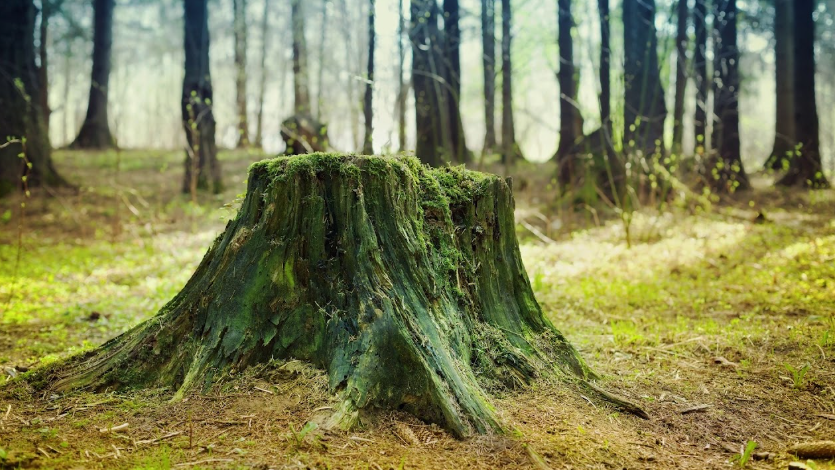
How do you remove moss from trees? Removing moss is no joke until it turns into a nightmare. Homeowners often remove moss from trees using gentle manual tools, natural sprays like vinegar, or pruning to reduce shade. Sounds simple, right? But if you do it incorrectly, you could seriously damage your tree. Don’t worry as this guide breaks it all down for you on how to remove moss the right way. No matter where your trees are located, we will tell you the best methods to make your landscapes moss-free for a lifetime. So buckle up for an informative ride! What Is Moss and Why Does It Grow on Trees? Moss is a fuzzy, green plant. It doesn’t have roots, stems, or flowers, and it is not a parasite. It loves shade, moisture, and rough bark, exactly what tree trunks offer. But it does not suck on nutrients. They love your tree because of: So if you have got trees in a cool, shaded, moist area, congrats, you have got moss. It is not always bad, but that doesn’t mean you should ignore it either. Is Moss Harmful to Trees? Moss itself isn’t a killer. It doesn’t invade the tree’s system or steal nutrients. But when it gets risk, it traps moisture against the bark, which can lead to rot. Moreover, it also causes hidden diseases and nightmarish infestations. When it gets wet, it increases the weight on branches and promotes fungal growth. Identifying the Type of Moss on Your Tree Let’s not confuse moss with its cousins. Knowing the difference matters because each one needs different treatment. For example, lichen often grows on healthy trees and doesn’t need to be removed. If it is soft, thick, and green, chances are it is moss. If you are still unsure? Ask an arborist and check with your local garden center. Best Time of Year to Remove Moss from Trees Timing makes a huge difference. You want the moss moist enough to remove, but the tree dormant enough to avoid stress. Best seasons: Avoid: Winter: Freezing temps make bark brittle Summer: High heat dries out bark, making it crack easily Plan your moss attack around the weather and the tree’s growth cycle. Safety Precautions Before Moss Removal This isn’t just a grab a brush and go job. You are working with living bark. Damage it, and you could create worse problems than moss. Stay safe following these: And if the moss is high up or your tree is old and valuable? Call a professional. Different types of Methods to remove Moss There are many methods to remove moss. Learn all about them to choose what fits you the most! Manual Methods for Removing Moss from Trees 1. The Soft Brush Method Best for: light moss, young trees, sensitive bark. How to do it: Grab a soft-bristle brush or an old toothbrush. Brush downward in small sections but not side to side. Rinse lightly with water if not needed. This doesn’t remove moss completely, but loosens up the thick layers so treatment can work. 2. Plastic Scraper Best for: thick moss on older trees. Use a plastic paint scraper, but never metal. Hold it at a 45-degree angle and gently peel off moss chunks. If moss is dry, mist it with water first and don’t dig into the bark! 3. Tree Pruning Best for: long-term prevention. You are not just cutting branches, but increasing sunlight and airflow by pruning. This kills moss naturally. Prune low-hanging limbs and crossed branches that block sunlight and trap moisture, but don’t remove more than 1/3 of the tree’s canopy in one season. Natural Moss Removal Sprays and Solutions If manual brushing isn’t enough, go chemical-free with natural moss removers. These are perfect if you don’t want to damage the tree or nearby plants. 1. Vinegar Solution Vinegar is acidic and moss hates acid. Make a vinegar solution by mixing with water in equal amounts and spray it directly onto the moss. Wait for 10–15 minutes and then scrub and rinse with water. Don’t overspray, though, as it can change your soil’s pH if it runs off the tree trunk. 2. Baking Soda Solution This one is less acidic and better for young trees or sensitive bark. Recipe: Shake it up in a spray bottle and spray on moss. Wait for 24 hours and brush with a soft brush. Chemical Moss Killers – What Works and What to Avoid If natural stuff isn’t cutting it, chemical moss removers can get the job done fast. But they come with risks so you have to be careful about what you use. Best Tree-Safe Option: Potassium Salts of Fatty Acids Kills moss on contact and is safe for bark. It breaks down naturally in soil. Usually found in garden stores as a “moss & algae killer” that says “safe for use on trees.” How to apply: Follow label instructions and spray directly. Wait until the moss turns brown or crumbles, then wash it. Avoid these harmful chemicals like bleach, copper sulfate as they can harm the tree and poison the soil. Use chemicals when moss is too thick for brushes or your tree has a tough bark and natural remedies are not working. Using Power Tools to Remove Moss: Safe or Not? You have probably seen pressure washers blasting moss off sidewalks. But should you try that on a tree? Not at all. As these will strip bark, drive water into crevices, and scar your tree. Even electric brushes or rotating scrubbers are risky unless they are designed for tree,s then skip it. What’s Safe to Use: How to Prevent Moss from Returning Once cleaned, you have to make sure moss doesn’t come back. Increase sunlight and air circulation by cutting bushes that block the sun and are crowded. Moreover, don’t overwater. Water early in the day and at the root zone to prevent moisture, as moss thrives in it. Additionally, limit mulch around the tree and use a preventive