Stump Grinding vs. Full Stump Removal: Which Do You Need
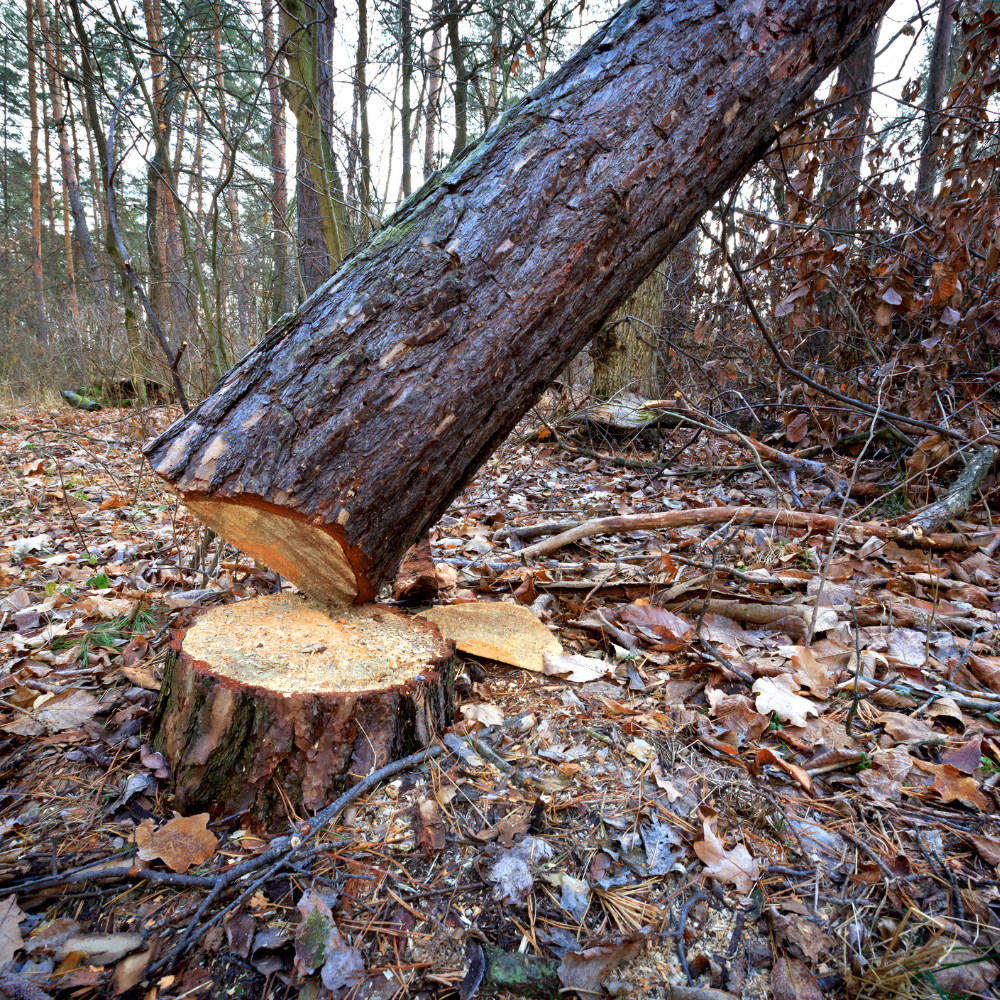
After cutting a tree, work is still far from done. Most folks figure once the logs and limbs are gone, things wrap up, then they spot what is left behind: the stump. That chunk sticks out in your lawn like it refuses to leave. More than just ugly, it could make someone trip or draw bugs you would rather keep outside. For handling this tough root base, people usually pick between two options: one chops it down below ground, another yanks the whole thing out. One option works well in some cases, whereas the other fits different needs, and picking the right one comes down to how much you can spend and what you want later on. Knowing exactly how they differ lets you choose wisely so your outdoor space stays nice without spending extra cash. Understanding the Process of Stump Grinding Stump grinding is a top pick for homeowners since it works fast while disturbing the yard way less than full removal. A skilled crew rolls up with a powerful piece of gear known as a stump grinder. Inside, there is a tough spinning disc studded with hard carbide tips, which tear through wood like jaws. As the worker guides it, the head juts forward and back, breaking down trunk chunks into fine shreds. Usually, they grind roughly half a foot under ground level, just deep enough so you can dump soil on it, then plant turf without issues. The big plus with grinding? It is quick while keeping most of the roots below untouched. Since the tool works just on the stump, there is no need to stress about deep cuts tearing up your yard. The leftover mulch might go straight into flower areas as a natural blanket or get taken off if you like things tidy. With roots left in place, they slowly break down on their own over time. This option hits a sweet spot because it removes what bothers you but skips the back-breaking work and high cost of digging everything out. What Happens During Full Stump Removal Full stump removal takes way more effort than it looks. Rather than slicing off the visible chunk, you have to yank out everything below, including roots. Usually, that means bringing in something like an excavator to lift the thick underground mass. Choosing this approach clears not only what is above ground but also those widespread roots hiding beneath your yard. This approach tackles the whole problem; however, it costs way more. After yanking out the stump, you are stuck with a big gap in your lawn that has got to be packed tight with fresh soil. A lot of folks go this route only when they are putting up something new, like a garage or path, exactly where the tree used to be. When concrete or supports are part of the plan, decaying roots underground can lead to sudden dips later on. Yank it all now so the earth stays solid before anything gets built. Comparing Costs and Property Impact Stump grinding usually saves you cash when checking the total cost. Since machines are compact, plus work wraps up fast, labor fees drop. This job is pretty simple because most times it is done in one or two hours, based on how big the tree is. Your yard stays mostly untouched since grinders fit into narrow spots while sparing the lawn. Full stump removal might cost a lot. You are covering bigger machines along with work to dig out and smooth the spot after taking the tree away. Then there is getting rid of it because root balls weigh tons, plus take up space. On top of cash, think about how it will look when done. Your yard might turn into a messy spot for several days while fresh sod settles in after filling the gap. Since it needs patience till green blades root well, try grinding instead if you would rather skip waiting, which keeps things neat without major changes to how your lawn appears overall. Thinking About Pests and Yard Health Some folks stress over root leftovers after grinding stumps. Worries pop up about hidden wood pulling in termites or carpenter ants later on. Sure, rotting timber might draw critters, though those bugs tend to go for the stump part instead of deeper roots. Taking out the stump wipes away most of what bugs feed on. Top it off with dirt and help grass take hold; this lets whatever is left decay quietly with no bug explosion nearby. If you ignore the stump, problems start popping up. A rotting stump becomes a magnet for bugs looking for shelter. Instead of peace, you might see tiny trees shooting up from the base; these sprouts make lawn care a pain. They hog water and food that your other plants need. Removing the wood deep down or hauling it away is smart. It keeps your greenery strong and avoids damage to your house foundation. Trust Manhattan Tree Removal for Your Property Needs Dealing with an old stump might frustrate you, yet help is available. Manhattan Tree Removal brings gear plus know-how to tidy up your outdoor space. Since city yards pack things closely, we adjust our approach carefully. Leaving spots neater than before? That is what motivates us. We focus on staying safe while moving fast to ensure your lawn feels peaceful again. If you have a risky tree, our crew can handle it with solid Tree Removal work and otherwise keep things looking good using smart Tree Pruning. When storms hit outta nowhere, count on fast Emergency Tree Service to fix urgent messes quickly. Keeping trees strong and yards secure? That is what drives us every day. Reach out to Manhattan Tree Removal now to talk about clearing stumps or taking them out completely, so we can get your outdoor space working for you again. We provide the most reliable tree care solutions for every neighborhood across the entire city.
How do you remove moss from trees?
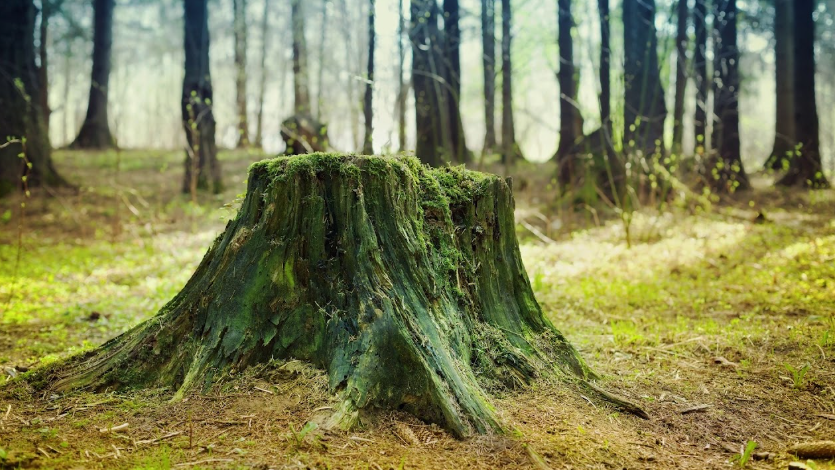
How do you remove moss from trees? Removing moss is no joke until it turns into a nightmare. Homeowners often remove moss from trees using gentle manual tools, natural sprays like vinegar, or pruning to reduce shade. Sounds simple, right? But if you do it incorrectly, you could seriously damage your tree. Don’t worry as this guide breaks it all down for you on how to remove moss the right way. No matter where your trees are located, we will tell you the best methods to make your landscapes moss-free for a lifetime. So buckle up for an informative ride! What Is Moss and Why Does It Grow on Trees? Moss is a fuzzy, green plant. It doesn’t have roots, stems, or flowers, and it is not a parasite. It loves shade, moisture, and rough bark, exactly what tree trunks offer. But it does not suck on nutrients. They love your tree because of: So if you have got trees in a cool, shaded, moist area, congrats, you have got moss. It is not always bad, but that doesn’t mean you should ignore it either. Is Moss Harmful to Trees? Moss itself isn’t a killer. It doesn’t invade the tree’s system or steal nutrients. But when it gets risk, it traps moisture against the bark, which can lead to rot. Moreover, it also causes hidden diseases and nightmarish infestations. When it gets wet, it increases the weight on branches and promotes fungal growth. Identifying the Type of Moss on Your Tree Let’s not confuse moss with its cousins. Knowing the difference matters because each one needs different treatment. For example, lichen often grows on healthy trees and doesn’t need to be removed. If it is soft, thick, and green, chances are it is moss. If you are still unsure? Ask an arborist and check with your local garden center. Best Time of Year to Remove Moss from Trees Timing makes a huge difference. You want the moss moist enough to remove, but the tree dormant enough to avoid stress. Best seasons: Avoid: Winter: Freezing temps make bark brittle Summer: High heat dries out bark, making it crack easily Plan your moss attack around the weather and the tree’s growth cycle. Safety Precautions Before Moss Removal This isn’t just a grab a brush and go job. You are working with living bark. Damage it, and you could create worse problems than moss. Stay safe following these: And if the moss is high up or your tree is old and valuable? Call a professional. Different types of Methods to remove Moss There are many methods to remove moss. Learn all about them to choose what fits you the most! Manual Methods for Removing Moss from Trees 1. The Soft Brush Method Best for: light moss, young trees, sensitive bark. How to do it: Grab a soft-bristle brush or an old toothbrush. Brush downward in small sections but not side to side. Rinse lightly with water if not needed. This doesn’t remove moss completely, but loosens up the thick layers so treatment can work. 2. Plastic Scraper Best for: thick moss on older trees. Use a plastic paint scraper, but never metal. Hold it at a 45-degree angle and gently peel off moss chunks. If moss is dry, mist it with water first and don’t dig into the bark! 3. Tree Pruning Best for: long-term prevention. You are not just cutting branches, but increasing sunlight and airflow by pruning. This kills moss naturally. Prune low-hanging limbs and crossed branches that block sunlight and trap moisture, but don’t remove more than 1/3 of the tree’s canopy in one season. Natural Moss Removal Sprays and Solutions If manual brushing isn’t enough, go chemical-free with natural moss removers. These are perfect if you don’t want to damage the tree or nearby plants. 1. Vinegar Solution Vinegar is acidic and moss hates acid. Make a vinegar solution by mixing with water in equal amounts and spray it directly onto the moss. Wait for 10–15 minutes and then scrub and rinse with water. Don’t overspray, though, as it can change your soil’s pH if it runs off the tree trunk. 2. Baking Soda Solution This one is less acidic and better for young trees or sensitive bark. Recipe: Shake it up in a spray bottle and spray on moss. Wait for 24 hours and brush with a soft brush. Chemical Moss Killers – What Works and What to Avoid If natural stuff isn’t cutting it, chemical moss removers can get the job done fast. But they come with risks so you have to be careful about what you use. Best Tree-Safe Option: Potassium Salts of Fatty Acids Kills moss on contact and is safe for bark. It breaks down naturally in soil. Usually found in garden stores as a “moss & algae killer” that says “safe for use on trees.” How to apply: Follow label instructions and spray directly. Wait until the moss turns brown or crumbles, then wash it. Avoid these harmful chemicals like bleach, copper sulfate as they can harm the tree and poison the soil. Use chemicals when moss is too thick for brushes or your tree has a tough bark and natural remedies are not working. Using Power Tools to Remove Moss: Safe or Not? You have probably seen pressure washers blasting moss off sidewalks. But should you try that on a tree? Not at all. As these will strip bark, drive water into crevices, and scar your tree. Even electric brushes or rotating scrubbers are risky unless they are designed for tree,s then skip it. What’s Safe to Use: How to Prevent Moss from Returning Once cleaned, you have to make sure moss doesn’t come back. Increase sunlight and air circulation by cutting bushes that block the sun and are crowded. Moreover, don’t overwater. Water early in the day and at the root zone to prevent moisture, as moss thrives in it. Additionally, limit mulch around the tree and use a preventive
How to Improve Soil Health for Stronger Trees
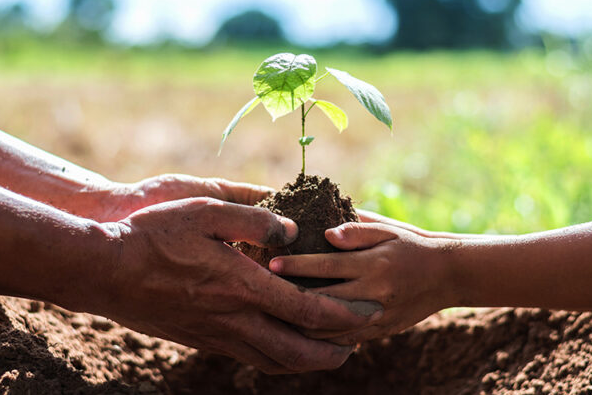
How to Improve Soil Health for Stronger Trees Do you know the secret behind healthier and stronger trees? It lies beneath them- the soil! Helping trees develop deeper roots and generating resistance against pests, thereby serving as the fuel for rockets. Your trees can survive even the worst of droughts if their soil is healthy and nutritious enough. In this guide, you will know all about the tips and techniques to make your soil fertile and improve its health so that you can make your trees thrive in your landscapes for years to come What is Soil Health? A healthy soil means that it is alive. Teeming with microbes, fungi, worms, and nutrients, it is full of life. Healthy soil does not have only “dirt”. It has other components as well: So a healthy soil means healthy and long-lasting trees, whereas a poor or dead soil indicates struggling trees that cannot withstand the environmental stresses. Signs of poor soil quality: Your soil needs immediate attention if it shows these signs: To evaluate the quality of your soils, you can do a DIY test or send it to a professional lab for testing. How to Improve Soil Structure for Stronger Trees Trees are held by their soils which is why the structure of soils is very important. They must be soft and crumbly to provide room for the tree’s anchorage of roots. They should not be compacted as it suffocates the tree roots and provides no air and oxygen to the tree. You can fix your soil by: To summarize, Good structure = happy roots. And happy roots = stronger trees. Why Organic Matter is Crucial for Tree Soil Health Organic matter is a feast for microbes and worms, as when it gets broken dow,n it feeds the soils. It is composed of leaves, manure, food scraps —all the dead stuff. Benefits of organic matter: Best sources of organic matter: Add a couple of inches to your soil once or twice a year to get best results. The Power of Mulch Around a Tree If you do anything from this article, be it mulch, as it is really effective. It breaks down slowly in the soil and does this: How to mulch? Use wood chips, shredded leaves or bark will and ring out to about 2-4 inches deep, perhaps, with it being 3-6 inches off the tree trunk (no mulch volcanoes!). Mycorrhizal Fungi: Nature’s Tree Booster Mycorrhizal fungi are microscopic fungi that live in the soil and form an association with tree roots. It grabs the nutrients from the soil and delivers them straight to the tree and gets sugar in return from the tree, making it a win-win situation. Such fungi occur naturally too, but if one adds it, it can boost up the soil quality. Benefits of mycorrhizae: How to apply it: How to Improve Soil Drainage for Tree Health Trees don’t like soggy roots. Bad drainage = root rot. You can fix this issue by: How to check if there is a problem? Do a simple test: Cover Crops for Tree Soil Enrichment You can improve your soil without fertilizers, too! How? By planting cover crops! They are soil-friendly and provide unlimited benefits to stop erosion and enhance nutrients. When you cut them, they add organic matter and feed soil microbes. All you have to do is plant them in fall or spring, let them grow and chop them. Top cover crops to grow around trees: Tree-Specific Fertilizers and When to Use Them Always test your soil to see what’s missing then use fertilizers. Apply at the drip line and not at the base to get good results. The best season to opt for would be from early spring to late fall. Avoid summer as it can stress out Stronger trees. Organic options: Synthetic fertilizers (use sparingly): Compost Tea and Liquid Soil Boosters Compost tea = soil smoothie. Make your dead soils come back to life using compost teas. Usage during every growing season boosts the beneficial bacteria and fungi. You can buy it or make it at home. DIY Compost Tea Recipe: You can also try: Earthworms and Insects: The Hidden Heroes If you see worms in your soil, congratulations, your soil is alive. These worms aerate soil, break down organic matter and feed microbes with their poop (castings). Want more worms? Also good: All of them help loosen soil and cycle nutrients. Trees That Help Improve Soil Health Some trees even improve the soil around them, so if you are planning to plant a tree, get to know the best ones: How to Maintain Long-Term Soil Health for Trees Soil needs ongoing love to thrive in the long run. Some maintenance tips: Build habits, not hacks, because strong trees grow from consistent care. Wrapping up: Stronger Trees Start in the Soil In a nutshell, to grow stronger trees, you need to treat your soil like gold. It’s all connected and starts under your feet. Need to get expert advice? Contact our certified professionals at Manhattan Tree Removal to nurture your soil. We have years of experience in upgrading soil quality to yield stronger and resilient trees.