Trees can significantly enhance the beauty and value of your property, but they can also become serious hazards if their condition is overlooked. A professional tree risk assessment helps identify structural weaknesses, disease, and other issues before they lead to costly property damage or personal injury. Regular evaluations are an important part of responsible tree care and long-term landscape management.
What Is a Tree Risk Assessment?
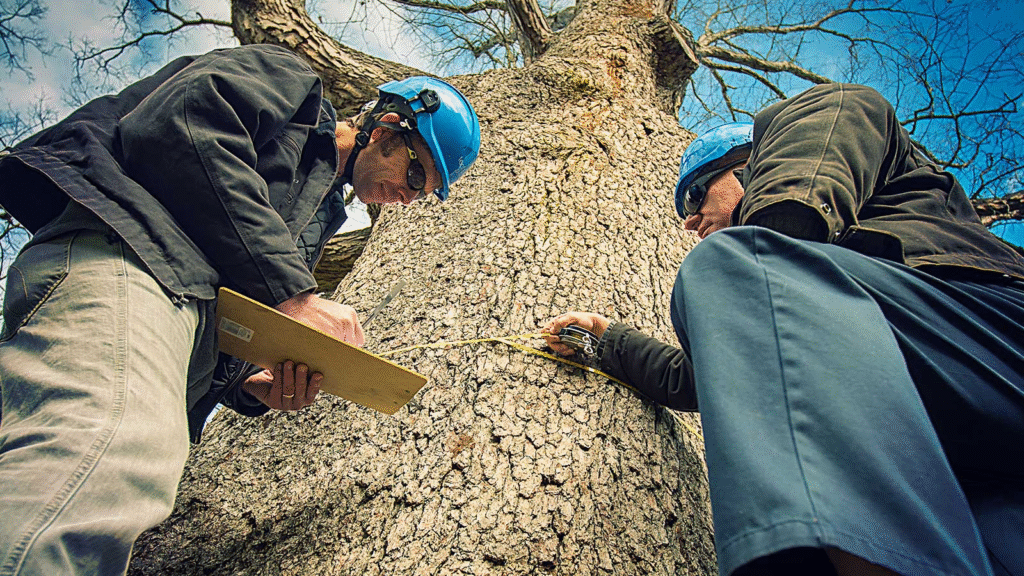
A tree risk assessment is a thorough inspection performed by experienced tree care professionals to determine the health, stability, and safety of a tree. During the evaluation, specialists examine the trunk, branches, canopy, and root system to identify potential hazards and recommend the most appropriate solution.
Depending on the findings, they may recommend pruning, cabling, treatment, or tree removal.
Identify Hidden Structural Problems
Some of the most serious tree issues are impossible to detect without a professional inspection. Internal decay, weakened branch attachments, and root damage may remain hidden until the tree begins to fail.
Early detection helps prevent unexpected emergencies and costly repairs.
Improve Safety Around Your Property
Trees located near homes, sidewalks, driveways, or commercial buildings should be inspected regularly. A weakened branch or unstable tree can fall unexpectedly, creating risks for people, vehicles, and nearby structures.
Routine risk assessments help eliminate these dangers before accidents occur.
Protect Your Investment
Large trees represent a significant investment in your property’s landscape. Regular evaluations help identify minor health problems before they become severe, allowing homeowners to preserve healthy trees through proper maintenance.
Preventive care is far more affordable than replacing mature trees or repairing property damage.
Prepare for Severe Weather
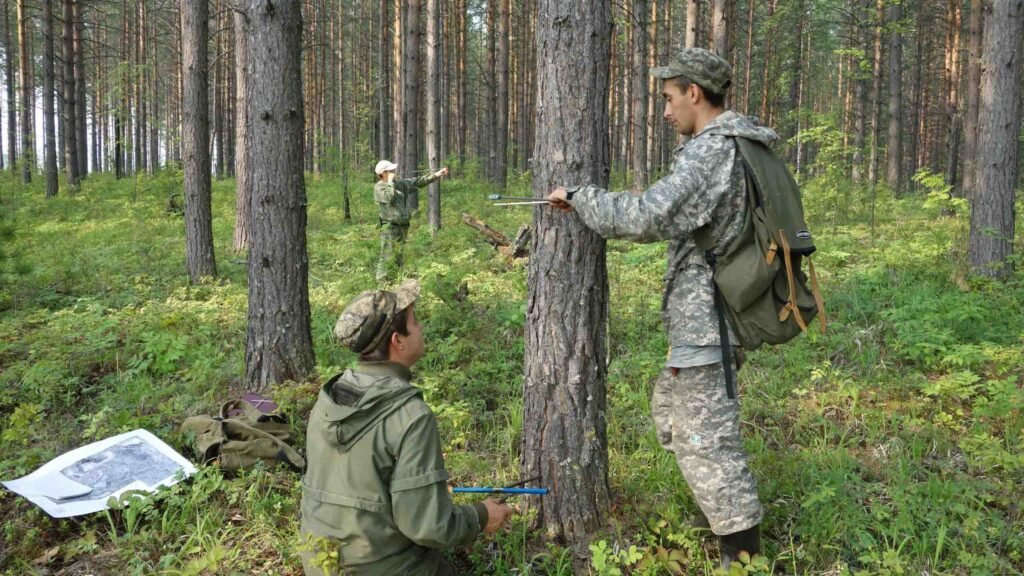
Strong winds, heavy rain, snow, and ice place tremendous stress on trees. A professional assessment before storm season can identify branches or trees that are unlikely to withstand severe weather.
Removing hazards in advance helps reduce emergency situations and protects surrounding property.
Common Warning Signs
Property owners should schedule an inspection if they notice:
- A leaning tree
- Dead or hanging branches
- Deep cracks in the trunk
- Mushrooms growing near the base
- Peeling bark
- Hollow sections
- Exposed or damaged roots
These symptoms may indicate structural instability that requires immediate attention.
Benefits of Regular Tree Assessments
Routine evaluations provide several long-term advantages:
- Improved property safety
- Early disease detection
- Reduced storm damage
- Healthier tree growth
- Lower maintenance costs
- Better curb appeal
- Longer tree lifespan
Consistent inspections help keep your landscape healthy and well-maintained.
Why Hire Professional Tree Experts?
Tree risk assessments require specialized knowledge of tree biology, structural integrity, and industry safety standards. Professional tree care specialists can accurately evaluate tree conditions and recommend the safest, most cost-effective solution based on each tree’s health and location.
Conclusion
A professional tree risk assessment is one of the best ways to protect your home, family, and landscape. By identifying hidden problems before they become emergencies, regular inspections help prevent property damage, improve tree health, and ensure your outdoor spaces remain safe and attractive throughout the year.